Is General Anesthesia Safe for My Child? What Parents Need to Know
One of the biggest fears parents have when their child needs surgery is general anesthesia. Learn how pediatric anesthesia works, why the fasting rules are so critical, and what to expect when your child wakes up in the recovery room.

What Is General Anesthesia?
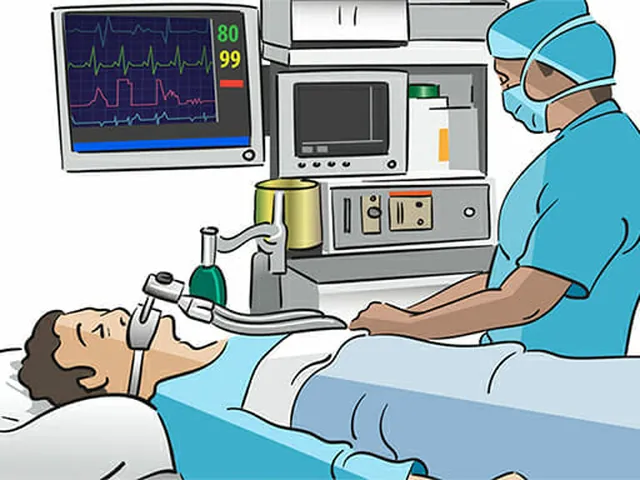
General anesthesia is a combination of medications that put your child into a deep, sleep-like state before a surgery or procedure. While under anesthesia, your child will not feel any pain, will not be aware of the surgery, and will not remember the procedure afterward.
Is It Safe for Children?
It is completely normal for parents to feel anxious when their child needs anesthesia. However, modern pediatric anesthesia is extremely safe. The medications and monitoring equipment used today are highly advanced and specifically designed for children's growing bodies. In fact it is the safest procedure for Children under 6 years old.
Throughout the entire procedure, a specialized anesthesia team closely monitors your child's heart rate, blood pressure, breathing, and oxygen levels to ensure they remain completely safe and comfortable from start to finish.
The Fasting Rule: Why an Empty Stomach is Crucial
Before surgery, you will be given strict instructions on when your child must stop eating and drinking. This is known as fasting.
When a child is under anesthesia, their normal body reflexes relax. If there is food or liquid in the stomach, it could come up and enter the lungs, causing a serious complication. Always follow your doctor's fasting guidelines exactly. If your child accidentally eats or drinks something, tell the medical team immediately — the surgery may need to be delayed for their safety.
What to Expect When They Wake Up
After the surgery is complete, the anesthesia medications are stopped, and your child will gently wake up in a recovery room. Here is what you might notice:
Grogginess and Confusion: It takes time for the medications to fully wear off. Your child may be very sleepy, confused, or have blurred vision for a few hours.
Waking Up Upset: Some children experience "emergence delirium." They may cry uncontrollably, thrash around, or seem inconsolable immediately upon waking. This can be distressing for parents to watch, but it is a temporary side effect of the anesthesia wearing off and passes quickly.
Shivering or Nausea: Feeling cold, shivering, or feeling sick to the stomach are common side effects. The recovery team can provide warming blankets or anti-nausea medication to help.
Home Recovery: The First 24 Hours
Once your child is cleared to go home, focus on rest and comfort:
- Diet: Start with clear liquids (like water or apple juice). Once they can keep liquids down without vomiting, slowly introduce bland, easy-to-digest foods like toast, crackers, or plain rice.
- Activity: Keep them quiet and supervised for the first 24 hours. Their coordination and balance might be slightly off.
- Comfort: A mild sore throat is common if a breathing tube was used during surgery. Cold drinks or ice cream can help soothe it.
Have concerns about your child's health? Consult Dr. Zannatul Ferdous Peu
SIBL Foundation Hospital, Panthapath — Saturday – Thursday: 3:00–9:00 PM
Emergency: 01991-150900 · SIBL Foundation Hospital 24/7 hotline
This page is for general education and is not a substitute for a medical consultation. Medical Disclaimer