
Keyhole (Laparoscopic) or Open Surgery for Children: A Parent's Guide
Keyhole surgery uses small cuts and a camera. Learn which children's operations can be done this way, its benefits and limits, and why the surgeon sometimes chooses open surgery.
Trusted, easy-to-understand guidance for parents.
Written by Dr. Zannatul Ferdous Peu for families in Dhaka and across Bangladesh — practical guides covering newborn warning signs, hernia and hydrocele (ekshira), undescended testis, circumcision (khatna), appendicitis, constipation and preparing a child for surgery. Browse by topic below, explore all pediatric surgery services, or contact the chamber at SIBL Foundation Hospital, Panthapath.
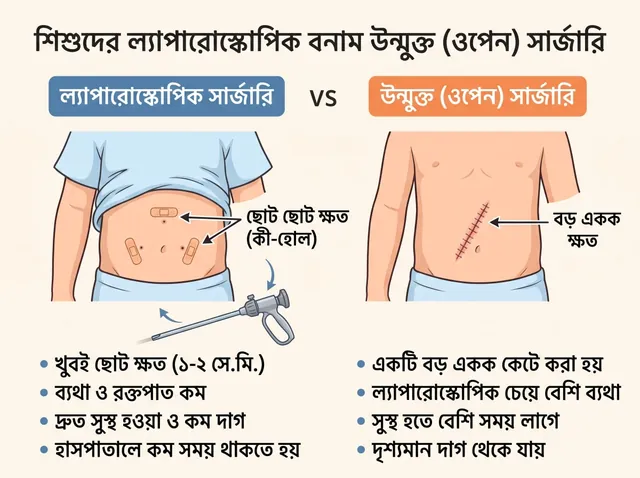
Keyhole surgery uses small cuts and a camera. Learn which children's operations can be done this way, its benefits and limits, and why the surgeon sometimes chooses open surgery.
Understand what shapes hospital bills for a child's operation at SIBL Foundation Hospital, Panthapath — from day-case vs overnight stay to tests, anaesthesia and what to ask at your first visit.
A tight foreskin is normal in most baby boys and loosens as they grow. Learn when ballooning while passing urine is harmless, when cream helps, and when a pediatric surgeon is needed.
A lump in a baby's groin that shows up during crying and fades at rest is often an inguinal hernia. Learn how it differs from hydrocele and the emergency signs of a trapped hernia.
Parents in Dhaka often search for a shishu bisesoggo when their child actually needs a pediatric surgeon. Learn what each specialist does and when to see a pediatric surgeon.
Seeing blood in a child's stool is frightening, but most causes — like an anal fissure or juvenile rectal polyp — are very treatable. Learn when it is urgent and how it is checked.
Intussusception is a bowel emergency most common between 3 months and 3 years. Learn the early crying pattern, why you should not wait for red jelly stool, and how early hospital care often avoids surgery.

Most tummy aches in children pass on their own. A few, such as appendicitis or intussusception, need a surgeon quickly. Learn the warning signs by age and what to do.

A hydrocele is fluid around the testis that makes the scrotum swell. In babies it often goes away by itself. Learn how it differs from a hernia, home care myths, and when an operation is advised.

How to care for your newborn's umbilical cord stump, what a normal healing navel looks like, and the signs of infection, granuloma or discharge that need a doctor.

Constipation is common in children and usually improves with diet, fluids and toilet routine. Learn what to do at home, and the warning signs that point to a problem needing a pediatric surgeon.

At what age can khatna be done, how long does it take to heal, and how should you care for the wound at home? A practical guide for parents, including signs that need a doctor.

Most baby spit-up is harmless. But vomit that is green or yellow-green can mean the bowel is blocked or twisted. Learn why it matters, what to do right away, and what happens at the hospital.

A soft bulge at the belly button that grows when the baby cries is common and usually closes by itself. Here is when to wait, and when an operation is advised.

A calm, well-prepared child has an easier day. A simple guide to fasting times, what to pack, how to talk to your child, and what happens before and after the operation.

Most children recover quickly at home. A practical guide to dressings, bathing, pain medicine, eating, activity, and the signs that mean you should call the doctor.
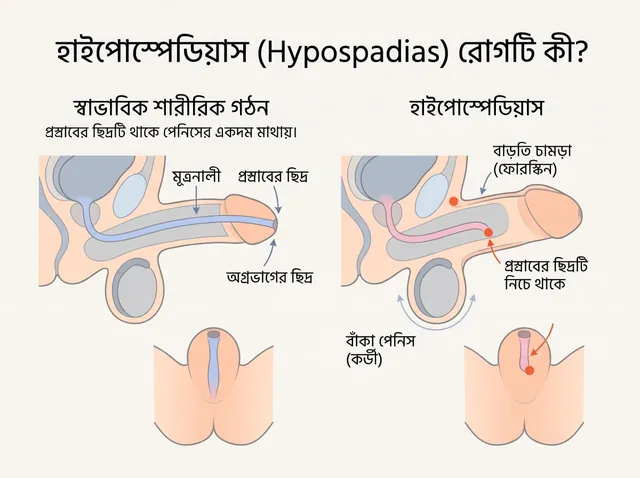
In hypospadias the urine opening is on the underside of the penis. Learn why circumcision should wait, the usual age for repair, and what recovery involves.

Cyclical lower tummy pain without periods can be caused by an imperforate hymen or another blockage. It is treatable — here is what to look for and how it is managed.
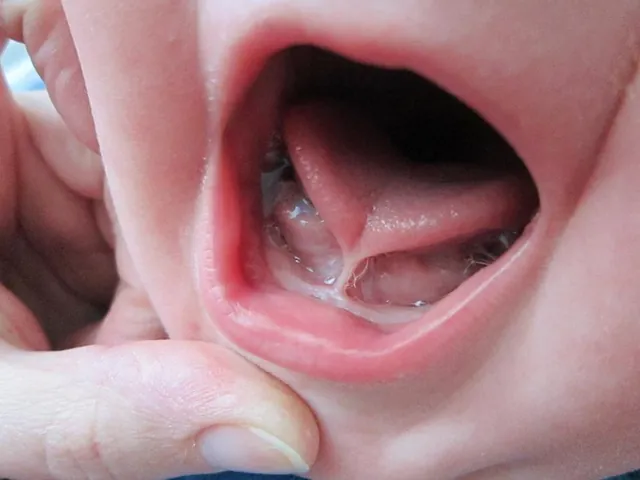
Is your newborn struggling to breastfeed, making a clicking sound, or causing you pain during nursing? It could be a tongue-tie. Learn how to spot the signs of ankyloglossia, when a simple surgical release is necessary, and when it is safe to wait.
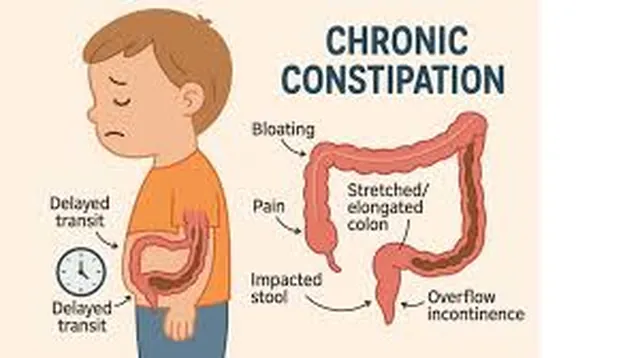
Most childhood constipation can be resolved with dietary changes and medication. However, if your child's severe constipation doesn't respond to standard treatments, it might indicate an underlying structural issue. Learn the red flags and when pediatric surgery becomes necessary.
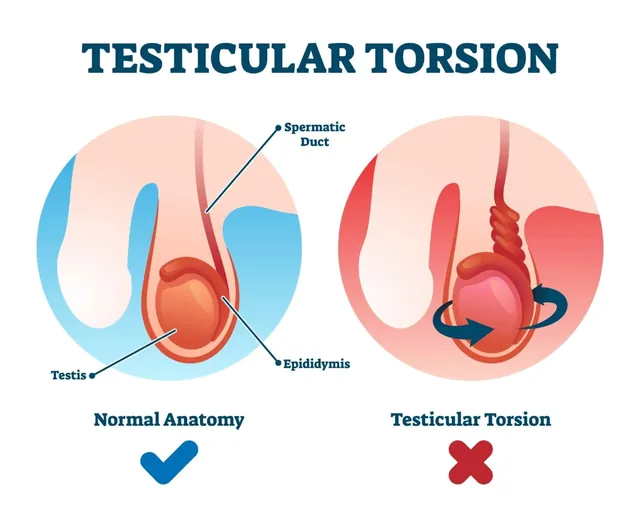
A sudden, severe pain in your son's groin is never something to ignore. It could be testicular torsion—a surgical emergency where every minute counts. Learn the critical warning signs and why you only have a few hours to save the testicle.

One of the biggest fears parents have when their child needs surgery is general anesthesia. Learn how pediatric anesthesia works, why the fasting rules are so critical, and what to expect when your child wakes up in the recovery room.
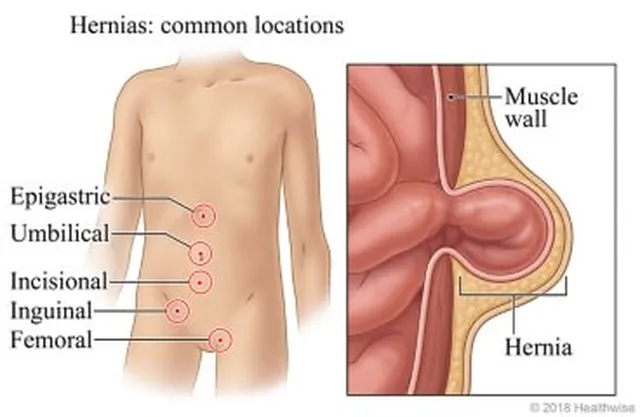
Have you noticed a bulge or swelling in your child's groin or scrotum? It could be an inguinal hernia or a hydrocele. Learn the difference between these two common pediatric conditions, how to spot the signs, and when surgery is necessary.
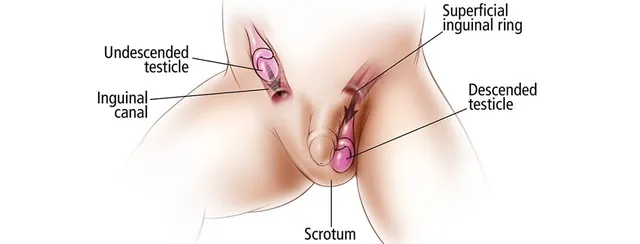
One of the most common questions parents of newborn boys ask is about an empty scrotum. Here's what undescended testicles really mean, when to act, and why timing matters more than most parents realise.

A fever means your child's body is actively fighting off an infection. Learn the safest ways to keep them comfortable at home, when you need to see a doctor, and how to spot the differences between a common viral fever, Dengue, and Measles.
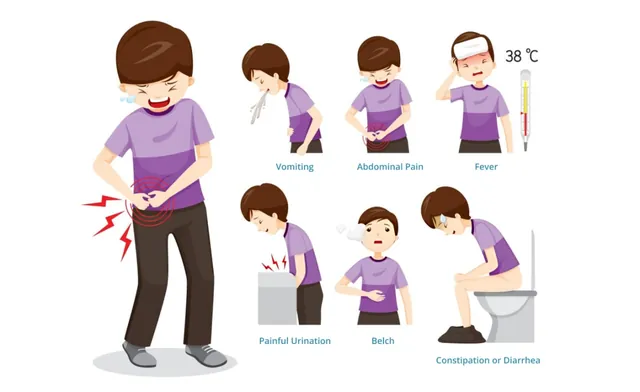
Stomach aches are a normal part of childhood, but how do you know when it is something more serious? Appendicitis is a pediatric medical emergency. Learn how to spot the early warning signs, understand when to rush to the hospital, and what the surgical treatment involves.
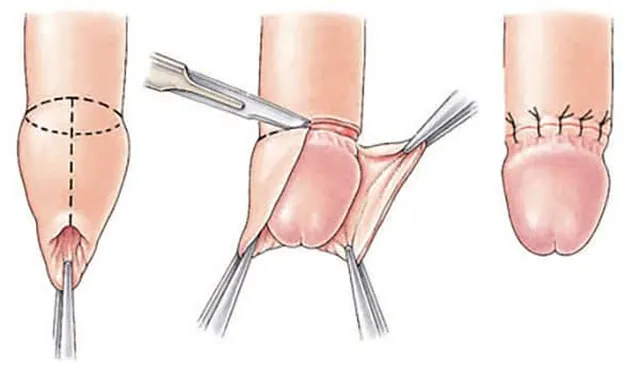
Circumcision is a common procedure with both religious significance and health benefits. Here is a comprehensive guide for parents on the best age for Khatna, what the modern surgical procedure involves, and how to safely care for your son during recovery.
No articles in this category yet.
Emergency: 01991-150900 · SIBL Foundation Hospital 24/7 hotline