Groin Swelling in a Baby or Child: Is It a Hernia and When Is It Urgent?
A lump in a baby's groin that shows up during crying and fades at rest is often an inguinal hernia. Learn how it differs from hydrocele and the emergency signs of a trapped hernia.

Why does the swelling appear when my child cries and disappear when lying down?
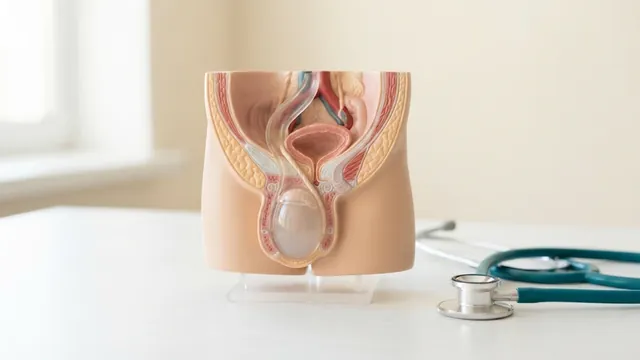
Before birth, a small tunnel runs from the tummy down into the groin. Normally this tunnel closes before or shortly after birth. When it stays open wide enough, a small loop of bowel (or in girls, sometimes an ovary) can slide into the tunnel whenever pressure rises inside the tummy — such as during crying, coughing, straining for stool or running.
When the child relaxes or lies flat, the loop slides back into the tummy and the lump disappears. This coming-and-going bulge in the groin is the classic sign of a childhood inguinal hernia. It happens in both boys and girls, though it is seen more often in boys and in babies born early.
How is a groin hernia different from a hydrocele (ekshira)?
Parents often confuse a hernia with a hydrocele (একশিরা) because both can cause swelling near the groin or scrotum. The difference matters:
- Hydrocele: the open channel is very narrow, so only clear tummy fluid seeps down around the testis. The swelling stays mainly in the scrotum, feels smooth like a water-filled balloon, and is usually painless. Many infant hydroceles settle on their own in the first year or two.
- Inguinal hernia: the channel is wider, so bowel or internal tissue pushes down into the groin (and sometimes into the scrotum). The lump often appears higher in the groin crease, grows with crying, and can become trapped.
Because the two can look similar at home — and occasionally occur together — a pediatric surgeon should examine the child to confirm which one it is. Taking a clear photo or short phone video of the lump when it appears at home helps the doctor if the swelling is flat during the clinic visit.
Does an inguinal hernia in a baby close on its own?
No. Unlike a belly-button (umbilical) hernia or a simple newborn hydrocele, an inguinal hernia in a baby or child does not close by itself, and no medicine, massage, belt or truss can cure it. In fact, home belts or firm pressing can injure the bowel.
Because an inguinal hernia carries a risk of getting stuck (trapped), pediatric surgeons advise a planned operation (herniotomy) once it is diagnosed, rather than waiting for years.
What are the emergency signs of a trapped (incarcerated) hernia?
Sometimes the loop of bowel slides down into the groin and cannot go back up. This is called an incarcerated (trapped) hernia. If the blood supply to the trapped bowel gets squeezed, it becomes a surgical emergency.
When to go to hospital now
Go to the nearest hospital emergency department immediately — day or night — if the groin lump:
- Becomes hard, firm or tender to touch and does not go back in when the child is calm
- Turns red, dark or swollen over the skin
- Comes with inconsolable crying, irritability or refusal to feed
- Comes with vomiting (especially green or yellow-green vomit) or a bloated tummy
Do not try to push a hard, painful lump back in forcefully at home. A doctor should examine it first.
What happens during a child's hernia operation and recovery?
In children, hernia repair (herniotomy) is much simpler than adult hernia surgery. No plastic mesh is used. Under general anaesthesia given by a pediatric anaesthesia team, the surgeon makes a small crease incision in the groin (or uses keyhole laparoscopy where suitable), gently returns the contents to the tummy, and ties off the open tunnel permanently.
- Most planned hernia repairs in healthy children are day-case procedures or need only a short overnight stay (young babies born prematurely may stay overnight for monitoring).
- Children usually wake up, drink, and walk or play gently within a day or two.
- Stitches are usually dissolvable and hidden under the skin, so there is no painful stitch removal.
When should you book a pediatric surgery review?
If you notice any soft bulge in your baby's or child's groin — even if it disappears quickly — book a chamber review with a pediatric surgeon soon, rather than waiting for it to become painful. Seeing the surgeon early lets you plan a calm, scheduled repair instead of an emergency hospital trip.
Key takeaway
A groin lump that appears when a child cries is often an inguinal hernia and does not close on its own. Book a planned pediatric surgery review early, and go to emergency care immediately if the lump becomes hard, tender or comes with vomiting.
A groin hernia needs a planned operation. Here is how it is done for children in Dhaka. Child hernia and hydrocele surgery in Dhaka →
Families who prefer a woman doctor: female pediatric surgeon in Dhaka
Treatment at the chamber: Hernia & Hydrocele
Also searched as: child groin swelling Dhaka, inguinal hernia baby symptoms, hernia vs hydrocele, child hernia operation Dhaka
Have concerns about your child's health? Consult Dr. Zannatul Ferdous Peu
SIBL Foundation Hospital, Panthapath — Saturday – Thursday: 3:00–9:00 PM
Emergency: 01991-150900 · SIBL Foundation Hospital 24/7 hotline
This page is for general education and is not a substitute for a medical consultation. Medical Disclaimer