Managing Your Child's Fever: Home Care and Common Causes
A fever means your child's body is actively fighting off an infection. Learn the safest ways to keep them comfortable at home, when you need to see a doctor, and how to spot the differences between a common viral fever, Dengue, and Measles.

Why Do Children Get Fevers?
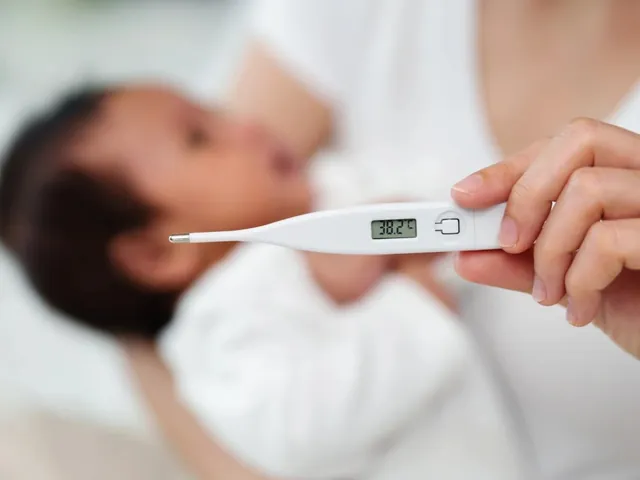
It is easy to panic when your child feels hot to the touch, but a fever itself is not an illness — it is a symptom. In fact, a fever is a healthy sign that your child's immune system is working properly to fight off an infection. In most cases, the height of the fever does not indicate how serious the illness is; how your child acts is a much better indicator.
What to Do During a Fever
Your main goal is not to bring the temperature down to a perfect normal, but to keep your child comfortable and hydrated. Here is what you should do:
- Focus on hydration: Fevers cause children to lose fluids more quickly. Offer plenty of water, oral rehydration solutions (Saline), clear soups, or breastmilk for infants.
- Dress them lightly: Do not bundle your child in heavy blankets, even if they are shivering. Dress them in a single layer of light, breathable clothing to let the heat escape.
- Sponge baths: If your child is very uncomfortable, you can sponge them with lukewarm (not cold) water. Never use cold water, ice, or rubbing alcohol, as these can cause shivering which actually raises body temperature.
- Medication: You can give age-appropriate doses of Paracetamol. Never give Aspirin to a child, as it is linked to a rare but fatal condition called Reye's syndrome. Always consult your doctor for the correct dosage.
Common Causes of Fever
While many things can cause a fever, here is a general guide to three common culprits you should be aware of:
1. Common Viral Fever
Most childhood fevers are caused by everyday viruses (like the common cold or flu). These fevers are usually accompanied by a runny nose, cough, sore throat, or mild stomach upset. They generally fade on their own within 3 to 5 days with simple home care.
2. Dengue Fever
Dengue is a mosquito-borne illness that is highly prevalent in Bangladesh. It typically begins with a sudden, high fever accompanied by severe body aches (often called "break-bone fever"), headache, pain behind the eyes, and sometimes a skin rash. Warning signs: If the fever drops but your child develops severe abdominal pain, persistent vomiting, or bleeding (from the nose or gums), this is a medical emergency requiring immediate hospitalization.
3. Measles
Measles is a highly contagious viral infection. It usually starts with a high fever, a severe cough, runny nose, and red, watery eyes. A few days after the fever begins, a characteristic red, blotchy rash breaks out — usually starting on the face and spreading down the body. Vaccination is the best prevention against measles.
When to Seek Immediate Medical Attention
While most fevers can be managed at home, you should take your child to the doctor immediately if:
- Your baby is under 3 months old and has a fever of 100.4°F (38°C) or higher.
- The fever lasts for more than 3 days.
- Your child is unusually lethargic, difficult to wake up, or completely refuses to drink fluids.
- They are struggling to breathe or have a stiff neck.
- They develop a rash that looks like small purple spots that do not fade when you press on them.
Have concerns about your child's health? Consult Dr. Zannatul Ferdous Peu
SIBL Foundation Hospital, Panthapath — Saturday – Thursday: 3:00–9:00 PM
Emergency: 01991-150900 · SIBL Foundation Hospital 24/7 hotline
This page is for general education and is not a substitute for a medical consultation. Medical Disclaimer