Hard Stools in Children: What to Do, and Signs It May Be Hirschsprung Disease
Constipation is common in children and usually improves with diet, fluids and toilet routine. Learn what to do at home, and the warning signs that point to a problem needing a pediatric surgeon.
Is constipation in children common?
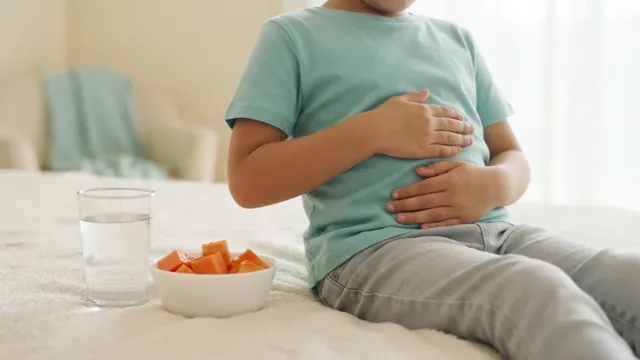
Yes, very. Most children with hard stools do not have a serious illness. Common triggers are low fluid intake, little fruit and vegetables, too much milk, starting solid food, toilet training, and holding in stool because it hurts.
How do I know my child is constipated?
- Fewer than three stools a week, or hard, pellet-like stools
- Straining, crying or pain when passing stool
- A little blood on the stool or tissue from a small tear
- Soiling of underwear in an older child (liquid stool leaking around hard stool)
Note: breastfed babies may go several days without stool and then pass a soft stool. That is usually normal.
What can I do at home?
- Fluids: offer water regularly through the day (for babies on solid food, small amounts of water).
- Fibre: fruit (papaya, pear, guava, banana in moderation), vegetables, lentils and whole grains for children eating solids.
- Limit milk to the amount advised for your child's age; too much cow's milk can make stools hard.
- Toilet routine: sit the child on the toilet for 5 minutes after meals, with feet supported on a stool.
- Activity: running and playing help the bowel move.
- Do not use soap sticks, oil or repeated enemas at home. Use stool softeners only as advised by a doctor.
Warning signs: when to see a pediatric surgeon
- Your newborn did not pass the first stool (meconium) within 24–48 hours of birth
- Constipation since birth or the first weeks of life
- A swollen tummy, vomiting (especially green vomit), or poor weight gain
- Stool comes out explosively when a finger or thermometer is put in the bottom
- Very thin, ribbon-like stools
- Fever with foul-smelling diarrhoea in a child with long-standing constipation
- Constipation that does not improve after proper treatment for several weeks
What is Hirschsprung disease?
In Hirschsprung disease, the nerve cells that make the bowel push stool forward are missing in the last part of the bowel. Stool cannot pass that section, so it builds up above it. It usually shows in the first days or weeks of life. Diagnosis is made by a rectal biopsy (a small tissue sample), often with a contrast X-ray.
How is it treated?
Hirschsprung disease is treated with surgery that removes the part of the bowel without nerves and joins healthy bowel to the bottom (a "pull-through" operation). Many children can have this done in one stage; some need it in steps. With treatment and follow-up, most children grow up with good bowel control.
Key takeaway
Hard stools are common and usually respond to fluids, fibre and routine. Constipation from birth, a late first stool, a swollen tummy, vomiting or poor growth need a pediatric surgeon's assessment.
Treatment at the chamber: Intestinal Malrotation & Constipation
Also searched as: child constipation, hard stool in child, Hirschsprung disease signs
Have concerns about your child's health? Consult Dr. Zannatul Ferdous Peu
SIBL Foundation Hospital, Panthapath — Saturday – Thursday: 3:00–9:00 PM
Emergency: 01991-150900 · SIBL Foundation Hospital 24/7 hotline
This page is for general education and is not a substitute for a medical consultation. Medical Disclaimer