
What Parents Need to Know About Circumcision (Sunnat Khatna)
Circumcision is a common procedure with both religious significance and health benefits. Here is a comprehensive guide for parents on the best age for Khatna, what the modern surgical procedure involves, and how to safely care for your son during recovery.
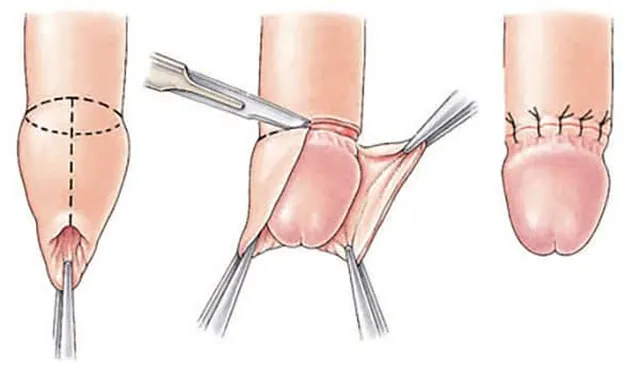
Khatna (also called sunnat or sunnate khatna) is circumcision: the removal of the foreskin of the penis. In Bangladesh it is usually done for religious reasons, and sometimes for medical reasons such as a tight, scarred foreskin.
What Is Circumcision (Sunnat Khatna)?
Circumcision, widely known as Sunnat Khatna in Bangladesh, is a surgical procedure to remove the foreskin — the skin that covers the tip of the penis. It is one of the oldest and most commonly performed surgical procedures in the world.
For many families, it is a deeply important religious and cultural milestone. However, it also carries recognized health and hygiene benefits that parents should be aware of when planning the procedure for their sons.
Why Is It Performed?
Beyond its cultural significance, circumcision offers several medical advantages:
Easier hygiene. Removing the foreskin makes it simpler to keep the area clean, decreasing the risk of infections caused by trapped bacteria.
Lower risk of urinary tract infections (UTIs). While UTIs in males are relatively rare, they are more common in uncircumcised boys, particularly during their first year of life.
Prevention of specific conditions. Circumcision prevents conditions like phimosis (where the foreskin is too tight to be pulled back) and balanitis (inflammation of the glans and foreskin).
What Is the Best Age for the Procedure?
Medically, circumcision can be performed at almost any age. Many parents worldwide choose to do it during the newborn period (within the first few weeks of life) because the baby heals very quickly and the procedure is brief.
In Bangladesh, it is also very common to perform Sunnat Khatna when boys are a bit older, often between 5 and 7 years old. The most important factor is ensuring your child is in good health and that the procedure is performed by a qualified medical professional.
How Is It Done Safely?
In the past, Khatna was often performed at home by traditional practitioners. Today, for optimal safety, pain management, and hygiene, it is highly recommended that circumcision be performed by a paediatric surgeon in a sterile hospital or clinic setting.
Depending on the child's age, the procedure can be done under local anaesthesia (numbing the area) or general anaesthesia (where the child is asleep). Your surgeon will discuss the safest and most comfortable option for your son to ensure a pain-free experience.
The surgery itself usually takes about 15 to 30 minutes, and children are generally able to go home the exact same day.
What Does Recovery Look Like?
It usually takes about 7 to 10 days for the area to heal completely. During the first few days, the tip may look red, slightly swollen, or have a yellowish crust — this is a normal part of the body's healing process.
Keep the area clean: Follow your surgeon's specific instructions on bathing and changing dressings. Usually, warm water is best.
Apply prescribed ointment: A barrier cream or antibiotic ointment is often prescribed to prevent the healing skin from sticking to the diaper or underwear.
Manage discomfort: Over-the-counter pain relievers, taken exactly as recommended by your doctor, are highly effective at keeping your son comfortable during the first few days.
When to Seek Immediate Medical Attention
While complications are very rare when the procedure is performed by a qualified surgeon, you should contact your doctor immediately if you notice:
- Persistent bleeding (more than a few drops).
- Foul-smelling drainage from the tip.
- Fever above 101°F (38.3°C).
- Inability to urinate normally within 12 hours after the procedure.
Planning the day? The next questions are usually the right age and how to care for the wound afterwards. Khatna age and healing: what to do after khatna →
Treatment at the chamber: Circumcision (Sunnat Khatna)
Also searched as: sunnat khatna, circumcision khatna, khatna in Dhaka
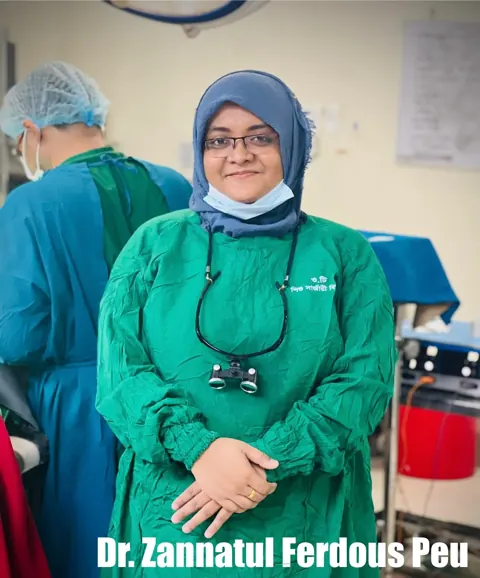
Have concerns about your child's health? Consult Dr. Zannatul Ferdous Peu
SIBL Foundation Hospital, Panthapath — Saturday – Thursday: 3:00–9:00 PM
Emergency: 01991-150900 · SIBL Foundation Hospital 24/7 hotline
This page is for general education and is not a substitute for a medical consultation. Medical Disclaimer