Understanding Hernia and Hydrocele in Children: What Parents Need to Know
Have you noticed a bulge or swelling in your child's groin or scrotum? It could be an inguinal hernia or a hydrocele. Learn the difference between these two common pediatric conditions, how to spot the signs, and when surgery is necessary.

What Are Hernias and Hydroceles?
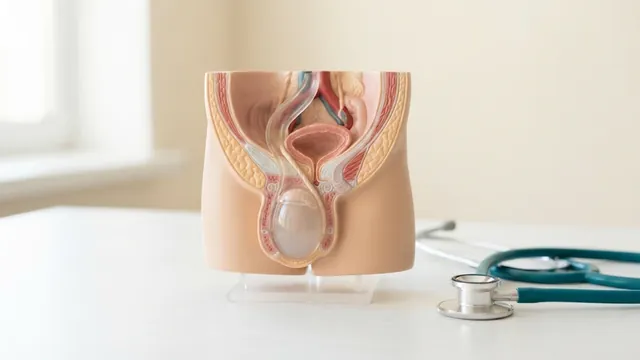
During fetal development, a small tunnel (the inguinal canal) forms in the lower abdomen to allow the testicles to descend into the scrotum. In girls, this same canal contains a ligament that supports the uterus. Normally, this tunnel closes before or shortly after birth.
When this tunnel doesn't close completely, it leaves an opening. What happens next determines whether your child has a hernia or a hydrocele:
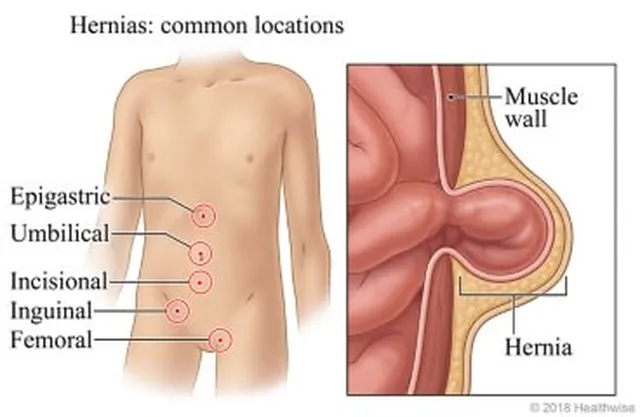
Inguinal Hernia: If a piece of the intestine or other abdominal tissue pushes through this opening into the groin or scrotum, it is called a hernia.
Hydrocele: If only fluid from the abdomen drains through the opening and collects in the scrotum (or labia in girls), it is called a hydrocele.
How Can I Tell the Difference?
While both conditions present as a swelling or lump in the groin or scrotal area, they behave differently:
A Hernia often comes and goes. The bulge typically gets bigger when your child cries, coughs, or strains during a bowel movement, and may disappear when they are relaxed or sleeping.
A Hydrocele usually looks like a soft, fluid-filled balloon in the scrotum. The swelling is generally constant, though a "communicating" hydrocele might slowly change in size throughout the day as fluid moves back and forth.
Note: Only a proper clinical examination by a paediatric surgeon can confirm the exact diagnosis.
Why Does It Need Treatment?
For Hernias: An inguinal hernia will not heal on its own and requires surgery. The main danger is that the protruding intestine can get trapped in the opening (incarcerated). If the blood supply is cut off (strangulated), it becomes a life-threatening emergency. Because of this risk, hernias are usually repaired shortly after they are diagnosed.
For Hydroceles: A simple hydrocele is not dangerous. In most baby boys, the fluid is safely absorbed by the body, and the condition resolves on its own by the time they are 12 to 24 months old. However, if the hydrocele persists past age 2, or if it is a communicating hydrocele (meaning the tunnel remains open), surgery is recommended to prevent a hernia from forming later.
What Does the Surgery Involve?
The operation for both conditions is very similar (a herniotomy or hydrocelectomy) and is one of the most routine paediatric surgeries.
The procedure is performed under general anaesthesia. The surgeon makes a small, cosmetically placed incision in the groin crease, empties any fluid or gently pushes the tissue back into the abdomen, and safely ties off and closes the open tunnel.
The surgery takes about 30 to 45 minutes. It is a day-case procedure, meaning your child can usually go home the very same day. Recovery is remarkably fast — most children return to their normal playful selves within just a few days.
When to Seek Immediate Medical Attention
If you know your child has a hernia, you must go to the emergency room immediately if the bulge:
- Becomes hard, red, or very tender to the touch.
- Cannot be gently pushed back in while the child is relaxed.
- Is accompanied by vomiting, fever, or inconsolable crying.
These are signs of a strangulated hernia, which requires immediate, emergency surgery.
Treatment at the chamber: Hernia & Hydrocele
Also searched as: hydrocele surgery in Dhaka, ঢাকায় হাইড্রোসিল সার্জারি
Have concerns about your child's health? Consult Dr. Zannatul Ferdous Peu
SIBL Foundation Hospital, Panthapath — Saturday – Thursday: 3:00–9:00 PM
Emergency: 01991-150900 · SIBL Foundation Hospital 24/7 hotline
This page is for general education and is not a substitute for a medical consultation. Medical Disclaimer