Constipation in Children: When Should Surgery Be Considered?
Most childhood constipation can be resolved with dietary changes and medication. However, if your child's severe constipation doesn't respond to standard treatments, it might indicate an underlying structural issue. Learn the red flags and when pediatric surgery becomes necessary.

Understanding Childhood Constipation
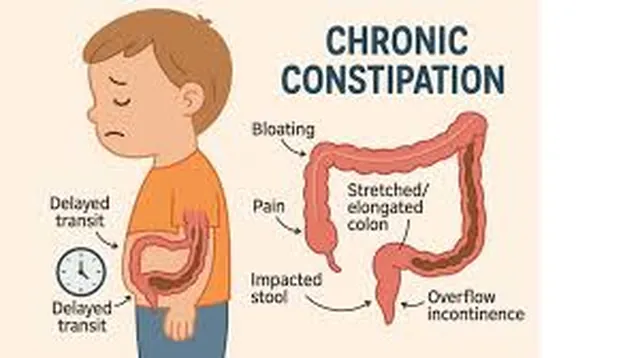
Constipation is one of the most common problems in young children. In about 95% of cases, the constipation is "functional." This means it is caused by lifestyle factors such as a lack of fiber or water, changes in routine, or a child withholding their stool because they had a painful bowel movement in the past.
Functional constipation is usually successfully treated with a combination of dietary adjustments, proper hydration, potty training habits, and mild laxatives prescribed by a pediatrician.
When Is It More Than Just Diet?
Sometimes, severe and chronic constipation is a symptom of an underlying anatomical or neurological problem in the bowel. These rare cases will not improve with diet or standard laxatives and require the expertise of a paediatric surgeon. Parents should watch for these "red flag" warning signs:
- Delayed Meconium: If your baby did not pass their first dark, sticky stool (meconium) within the first 48 hours of life.
- Severe Abdominal Swelling: The belly becomes hard and visibly bloated.
- Vomiting: Especially if the vomit is green (bilious), which indicates a bowel obstruction.
- Ribbon-like Stools: Stools that are consistently very thin or pencil-like.
- Failure to Thrive: The child is not gaining weight or growing normally.
Conditions That May Require Surgery
If a child has the red flags mentioned above, a surgeon will investigate for specific conditions. The most common surgical causes of severe pediatric constipation include:
1. Hirschsprung's Disease
This is a congenital (present at birth) condition where nerve cells are missing from a section of the large intestine (colon). Without these nerves, the muscles in that part of the bowel cannot relax and push stool forward, creating a roadblock. Surgery is required to remove the portion of the bowel lacking nerve cells and connect the healthy bowel to the rectum.
2. Anorectal Malformations
Sometimes a baby is born with an anus or rectum that did not develop properly. The opening may be too narrow, in the wrong location, or completely closed. These conditions require reconstructive surgery to allow stool to pass normally.
3. Severe Fecal Impaction
In very severe cases of functional constipation, a child may develop a massive, hardened blockage of stool in the rectum that they cannot push out. Before medical therapy can work, a surgeon may need to perform a "manual disimpaction" under general anesthesia to clean out the bowel safely and painlessly.
What Parents Should Do
If your child occasionally struggles to go to the bathroom, do not panic. Start by increasing their water intake and adding high-fiber foods like fruits and vegetables to their diet. However, if your child has chronic constipation that fails to respond to laxatives, or if you notice any of the red flags, it is time to seek a specialist's opinion.
Early diagnosis of conditions like Hirschsprung's disease can prevent severe complications and help your child achieve normal bowel function.
Treatment at the chamber: Intestinal Malrotation & Constipation
Have concerns about your child's health? Consult Dr. Zannatul Ferdous Peu
SIBL Foundation Hospital, Panthapath — Saturday – Thursday: 3:00–9:00 PM
Emergency: 01991-150900 · SIBL Foundation Hospital 24/7 hotline
This page is for general education and is not a substitute for a medical consultation. Medical Disclaimer